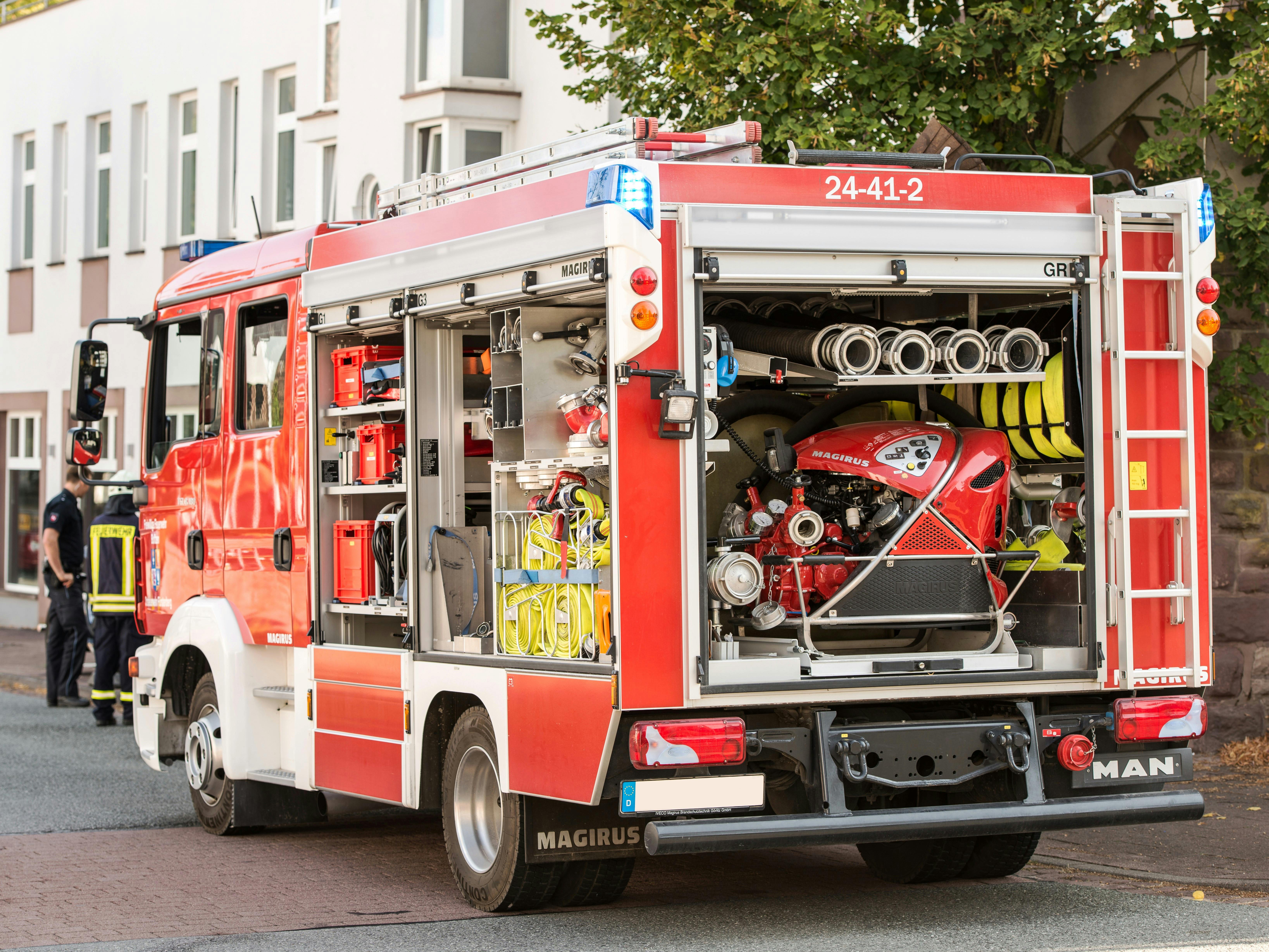
Fire risk assessments are a cornerstone of occupational safety, providing a systematic approach to identifying hazards, evaluating potential impacts, and implementing controls that protect people, property, and continuity of operations. A detailed assessment goes beyond a simple checklist; it requires a thorough understanding of building layout, material properties, operational processes, and regulatory requirements. By following a structured methodology, site managers can not only comply with legislation but also foster a culture of proactive risk mitigation that reduces the likelihood of fire incidents and minimizes damage when they do occur.
Understanding the Scope of a Fire Risk Assessment
Before diving into the assessment process, it is essential to define the scope clearly. This ensures that all relevant areas and activities are examined and that the resulting recommendations are both practical and comprehensive.
Key Elements to Define
- Physical Boundaries: Identify all buildings, structures, and outdoor zones that require evaluation.
- Operational Activities: List processes, equipment, and materials that could generate heat, sparks, or flammable vapors.
- Occupancy Types: Consider the number of occupants, their roles, and any vulnerable groups such as visitors or contractors.
- Regulatory Framework: Reference local fire codes, occupational health and safety legislation, and industry-specific standards.
For a deeper dive into defining assessment boundaries, Discover expert strategies here provides practical guidance aligned with current regulations.
Step-by-Step Process for Conducting the Assessment
1. Gather Documentation and Historical Data
- Architectural and engineering drawings.
- Previous fire incident reports and near-miss records.
- Maintenance logs for fire detection and suppression systems.
- Material safety data sheets (MSDS) for hazardous substances.
Analyzing past incidents helps to pinpoint recurring weaknesses. Learn about our tailored solutions that incorporate historical trend analysis into the assessment workflow.
2. Perform a Walk-Through Inspection
During the site walk-through, observe the following:
- Location and condition of fire extinguishers, alarms, and sprinkler heads.
- Housekeeping practices that could contribute to fuel loads.
- Electrical panels, wiring integrity, and overloaded circuits.
- Storage arrangements for flammable liquids, gases, and combustible materials.
Document findings with photographs and notes, ensuring each observation is linked to a specific risk rating.
3. Identify Fire Hazards
Hazards can be grouped into three primary categories:
- Ignition Sources: Open flames, hot surfaces, static electricity, electrical faults.
- Fuel Sources: Paper, wood, chemicals, dust, combustible gases.
- Oxidising Agents: Atmospheric oxygen, pure oxygen supplies, certain chemicals that accelerate combustion.
For a comprehensive list of common ignition sources in industrial settings, Explore advanced guides and tips offers an extensive reference.
4. Evaluate Existing Controls
Assess the effectiveness of current fire protection measures:
- Detection systems – are they appropriately placed and regularly tested?
- Suppression equipment – does it match the identified hazards (e.g., CO??? for electrical fires, foam for liquid spills)?
- Passive protection – fire-resistant walls, doors, and compartmentalisation.
- Procedural controls – emergency response plans, training records, and evacuation drills.
5. Determine the Level of Risk
Combine the likelihood of an incident with its potential severity to assign a risk rating (low, medium, high). Use a matrix that considers:
- Frequency of hazardous activities.
- Presence of vulnerable occupants.
- Effectiveness of existing controls.
- Potential property loss and business interruption.
6. Recommend Mitigation Measures
For each high-risk item, propose specific, actionable controls:
- Engineering solutions – replace faulty wiring, install additional sprinkler heads.
- Administrative actions – revise housekeeping schedules, update safe work procedures.
- Training initiatives – conduct regular fire-warden briefings and practical extinguisher use sessions.
When prioritising investments, Find out more about this approach to align mitigation with business continuity objectives.
Documentation and Reporting
A well-structured report communicates findings clearly to stakeholders and serves as a legal record. Essential components include:
- Executive summary highlighting critical risks and recommended actions.
- Detailed observations with supporting photographs.
- Risk matrix tables that illustrate likelihood versus impact.
- Implementation timeline and responsible parties for each recommendation.
- Signature page confirming review by qualified fire safety professionals.
Templates that meet regulatory standards can be accessed through professional resources such as those offered at Discover expert strategies here.
Maintaining Ongoing Vigilance
Fire risk assessment is not a one-time event. Continuous monitoring and periodic re-assessment are vital to address changes in:
- Equipment and processes.
- Building modifications or expansions.
- Regulatory updates.
- Incident trends and emerging hazards.
Integrating the assessment into a broader safety management system ensures that fire risk remains a dynamic, managed element of overall workplace health and safety.
Conclusion
Conducting a detailed fire risk assessment equips organisations with the insight needed to protect lives, assets, and operational resilience. By systematically defining scope, gathering data, inspecting the site, identifying hazards, evaluating controls, and documenting findings, site managers can create a robust fire safety framework. Leveraging expert resources and staying committed to regular reviews transforms fire risk management from a compliance checkbox into a strategic advantage that safeguards the future of the business.