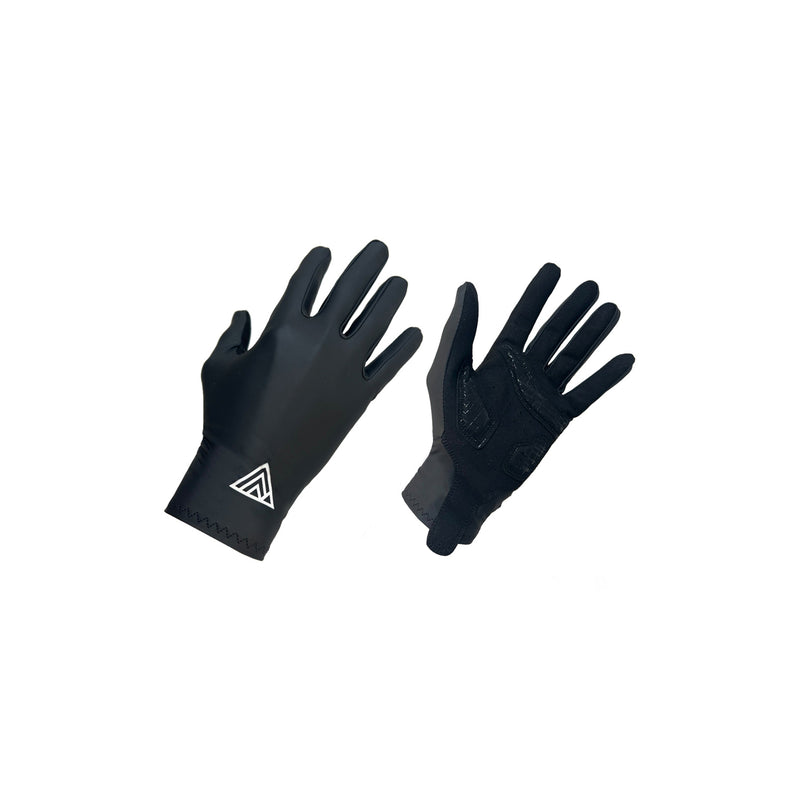
When it comes to competitive cycling, every millisecond counts. One of the most overlooked components that can shave precious time off a ride is the glove. Modern aero gloves are engineered to streamline hand positioning, reduce drag, and improve power transfer, making them an essential piece of equipment for riders seeking peak performance. This guide delves into the science behind aerodynamic glove design and offers actionable tips to help cyclists extract maximum efficiency from their gear.
Understanding Aerodynamics and Hand Position
The human hand creates a surprisingly large amount of turbulence when placed in the airflow created by a moving bike. By shaping the glove to fit the natural curvature of the hand and minimizing protruding seams, manufacturers reduce the wake behind the wrist, allowing air to flow smoother over the bike-frame and rider.
Key aerodynamic principles
- Laminar flow: Smooth surfaces encourage a thin, steady layer of air that clings to the glove, delaying separation and reducing drag.
- Reduced frontal area: Tapered glove profiles lower the overall silhouette presented to the wind.
- Seam placement: Strategic stitching aligns with natural airflow lines, preventing vortex formation.
Choosing the Right Aero Gloves
Selecting a pair that matches both the rider’s anatomy and the intended riding style is crucial. Not all gloves are created equal; some prioritize comfort, while others focus exclusively on speed.
- Look for aero cycling gloves that feature a low-profile palm and tapered fingers.
- Materials such as high-tenacity nylon or carbon-infused fabrics provide rigidity without sacrificing flexibility.
- Ventilation slots should be placed behind the hand to channel air away from the palm, keeping grip stable.
- Consider glove length – a shorter cuff reduces drag, but a slightly longer cuff can protect the forearm on windy descents.
Optimizing Hand Position for Maximum Efficiency
Even the best cycling aero gloves will underperform if the rider’s hand placement is inefficient. Proper positioning not only cuts drag but also improves power output.
Steps to refine hand placement
- Set the baseline: Ride in a neutral position with the hands resting on the brake hoods. Note any tension in the shoulders or wrists.
- Shift to the drops: Move the hands onto the lower part of the drop bars, aligning the wrist with the forearm to create a straight line.
- Engage the glove’s contour: Let the glove’s tapered palm guide the fingers into a relaxed, slightly curled position.
- Test with a wind tunnel or virtual simulation: Modern apps can estimate drag reduction when the hands are fully integrated into the aero profile.
Maintenance Tips to Preserve Aerodynamic Performance
Gloves lose their shape over time due to sweat, UV exposure, and regular wear. Maintaining the original form ensures the aerodynamic benefits remain intact.
- Hand-wash with a mild detergent and air-dry flat; avoid tumble drying which can warp the fabric.
- Apply a silicone-based spray sparingly to the palm to restore slip resistance without adding bulk.
- Inspect seams regularly; replace gloves if stitching begins to pull apart, as this creates unwanted turbulence.
Integrating Aero Gloves into a Complete Race Setup
For riders seeking the best aero cycling gloves, it’s important to view the gloves as part of a holistic aerodynamic package.
- Combine gloves with a shaved-down helmet and a tight-fit skinsuit to maintain a continuous airflow.
- Use cycling race gloves with integrated silicone pads that do not disrupt the glove’s low-profile shape.
- Match the glove color to the bike frame to reduce visual contrast, which can slightly influence aerodynamic perception at high speeds.
Performance Gains: What the Data Shows
Several field tests have quantified the impact of aero gloves on speed. On a flat 40-km time trial, riders experienced an average reduction of 0.3″?% in drag coefficient, translating to roughly 15-20 seconds saved over the distance. While the numbers may appear modest, in elite competition they can be the difference between a podium finish and a mid-pack result.
Case study highlights
- Professional road racer: Switched to a tapered glove design and recorded a 0.4″?% improvement in average speed during a criterium.
- Triathlete: Combined aero gloves with a streamlined bike setup, shaving 12 seconds off a 20-km bike leg.
- Amateur club rider: Noted a smoother feel on long descents, reducing hand fatigue and allowing a more consistent aero tuck.
Final Recommendations
Investing in high-quality performance cycling gloves and mastering hand placement can deliver measurable time savings and a more comfortable ride. Pair these gloves with diligent maintenance, and they will remain a reliable component of any aerodynamic arsenal for years to come.