Maintaining a septic tank is crucial for the overall health of a home”?s plumbing system and for environmental safety. Septic tanks, often out of sight and out of mind, require regular attention to prevent costly repairs and maintain efficiency. Proper septic tank maintenance not only extends the lifespan of the system but also protects the environment from potential contamination. By taking proactive steps, homeowners can ensure their septic systems function optimally, avoid unpleasant odors, and prevent backups that could lead to significant property damage. This article outlines essential strategies and tips for effective septic tank maintenance.
Understanding Septic Tank Basics
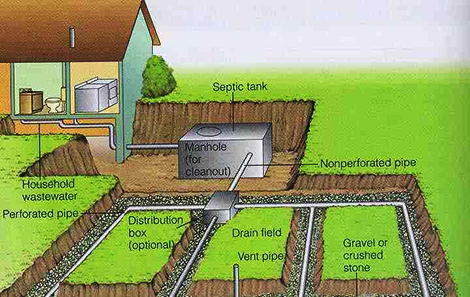
Before diving into maintenance tips, it’s important to understand how septic systems work. A septic tank is an underground chamber where domestic wastewater is collected and treated. The system relies on natural processes to break down waste, separating solids from liquids and allowing effluent to be dispersed into the drain field. Regular maintenance is key to ensuring these processes run smoothly. Discover expert strategies here.
Regular Inspection and Pumping
Regular inspection and pumping are fundamental aspects of septic tank maintenance. Here are some guidelines:
- Schedule inspections every 1 to 3 years, depending on the size of your household and the septic system.
- Pump the septic tank every 3 to 5 years to remove sludge and scum buildup.
- Consider more frequent pumping if you have a large household or use a garbage disposal frequently.
These routine checks help identify potential issues early and ensure the tank is functioning efficiently. Learn about our tailored solutions for septic tank inspections and pumping services.
Water Conservation Practices
Conserving water is not just good for the environment; it’s also vital for maintaining a healthy septic system. Here are some water conservation tips:
- Fix leaks in faucets and toilets promptly to prevent excess water from entering the septic system.
- Install water-efficient fixtures and appliances to reduce water usage.
- Spread laundry and dishwashing activities throughout the week to avoid overloading the system.
By reducing water consumption, homeowners can minimize the risk of system overload and prolong the life of their septic tanks. Explore advanced guides and tips on water conservation and septic system care.
Mindful Disposal Practices
What goes into the septic system can greatly affect its performance. Here are disposal practices to keep in mind:
- Avoid flushing non-biodegradable items, such as wipes, diapers, or feminine products, as they can clog the system.
- Dispose of cooking oils, fats, and grease in the trash rather than the sink to prevent blockages.
- Use septic-safe cleaning products to avoid disrupting the natural bacterial balance in the tank.
These mindful disposal practices help maintain the tank”?s efficiency and prevent costly repairs. Find out more about this approach to maintaining a healthy septic system.
Professional Maintenance and Support
While homeowners can perform some maintenance tasks, professional services are crucial for comprehensive care. Professional technicians can provide:
- Thorough inspections using advanced tools and techniques.
- Expert advice on repairs and system upgrades.
- Regular pumping and cleaning services to ensure optimal performance.
By engaging with professional maintenance services, homeowners can ensure their septic systems receive the care they need to function efficiently. Explore advanced guides and tips for professional septic tank services.
In conclusion, maintaining a septic tank requires a combination of regular inspections, mindful water and waste management, and professional support. By taking proactive steps, homeowners can ensure their septic systems remain efficient and environmentally friendly. Learn about our tailored solutions to keep your septic system in top condition.