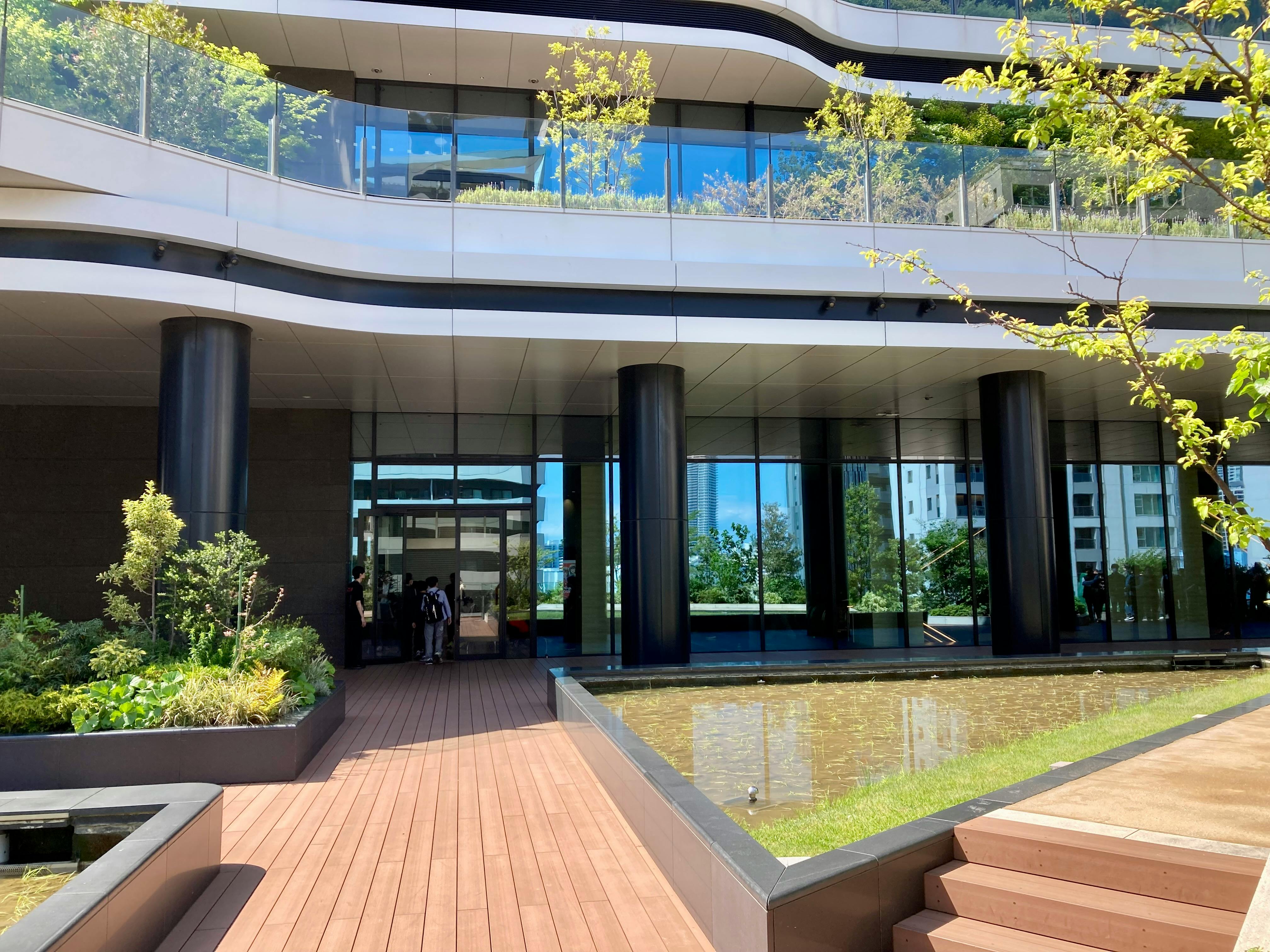
In the quest for sustainability, the construction industry has witnessed remarkable innovations that are reshaping how buildings are designed, constructed, and operated. These emerging technologies are not only reducing the environmental footprint of construction projects but also enhancing the efficiency and longevity of structures. As the world increasingly prioritizes green building practices, understanding these innovations becomes essential for anyone involved in the construction sector.
Advanced Building Materials
One of the most significant shifts in sustainable construction is the introduction of advanced building materials. These materials are designed to minimize environmental impact and improve energy efficiency.
- Recycled Materials: Utilizing recycled steel, glass, and plastics reduces waste and conserves natural resources. They also contribute to lower carbon emissions during the manufacturing process.
- Self-Healing Concrete: This innovative material can repair its own cracks, reducing the need for frequent repairs and extending the lifespan of structures. Find out more about this approach.
- Biodegradable Composites: These materials decompose naturally, minimizing landfill waste and promoting environmental health.
Smart Building Technologies
Smart technologies are revolutionizing building management by providing real-time data and automation capabilities to enhance energy efficiency and occupant comfort.
- Energy Management Systems: These systems optimize energy use by automatically adjusting lighting, heating, and cooling based on occupancy and weather conditions. Discover expert strategies here.
- Internet of Things (IoT) Devices: IoT devices enable remote monitoring and control of building systems, allowing for predictive maintenance and reduced energy consumption.
Innovative Construction Techniques
Construction techniques are evolving to incorporate sustainable practices that reduce waste and energy consumption while enhancing building performance.
- Modular Construction: Prefabricated modules are constructed off-site and assembled on-site, reducing waste and construction time. This method also improves quality control.
- 3D Printing: 3D printing allows for the creation of complex structures with minimal material waste, offering a cost-effective and eco-friendly building solution. Explore advanced guides and tips.
Green Roofs and Vertical Gardens
Green roofs and vertical gardens are innovative solutions that not only enhance aesthetic appeal but also offer environmental benefits.
- Improved Air Quality: Plants on green roofs and vertical gardens absorb carbon dioxide and release oxygen, improving air quality in urban areas.
- Natural Insulation: These installations provide natural insulation, reducing energy consumption for heating and cooling. Learn about our tailored solutions.
Renewable Energy Integration
Incorporating renewable energy sources into construction projects is essential for achieving sustainability goals and reducing reliance on fossil fuels.
- Solar Panels: Installing solar panels on building roofs or facades provides a renewable source of energy, significantly reducing electricity costs and carbon emissions.
- Wind Turbines: For areas with adequate wind resources, small-scale wind turbines offer an additional renewable energy option.
In conclusion, innovative technologies are crucial in driving the sustainable construction movement forward. By embracing advanced materials, smart technologies, and renewable energy, the construction industry can significantly reduce its environmental impact. Learn about our tailored solutions to incorporate these innovations into future projects and create a more sustainable built environment.