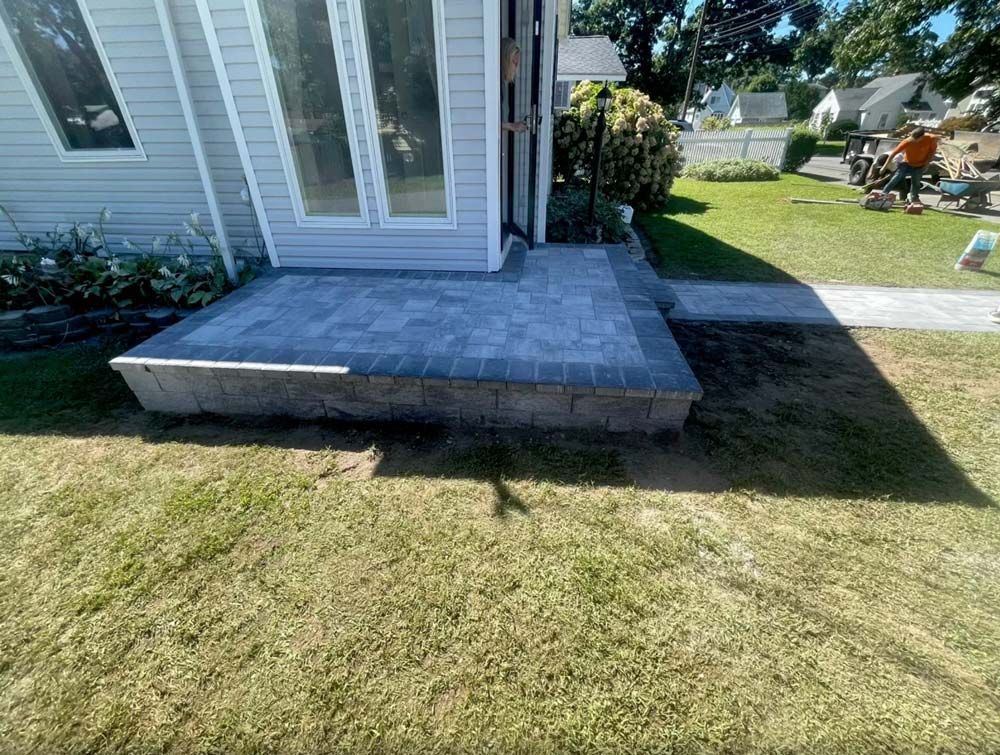
Transforming a property can be achieved through various enhancements, one of which is the installation of a paver driveway. This addition not only elevates the aesthetic appeal of a residence but also enhances its functionality and value. Paver driveways offer a versatile and durable surface that can handle the rigors of daily use while providing a sophisticated appearance. This article delves into the benefits of paver driveway installation, the materials involved, and the steps necessary for a successful installation.
Benefits of Paver Driveways
Paver driveways are an excellent choice for homeowners looking to improve the curb appeal and usability of their property. Here are some of the key benefits:
- Durability: Paver driveways are built to last. Unlike traditional asphalt or concrete, pavers can withstand heavy loads and resist cracking.
- Easy Maintenance: Individual pavers can be replaced if damaged, making maintenance straightforward.
- Design Flexibility: Available in a variety of shapes, colors, and patterns, pavers offer endless design possibilities.
- Permeability: Many paver options allow for water infiltration, reducing runoff and promoting groundwater recharge.
Materials Used in Paver Driveways
The choice of material greatly influences the appearance and performance of the driveway. Common materials include:
- Concrete Pavers: Known for their strength and versatility, concrete pavers come in a wide range of styles.
- Brick Pavers: Offering a classic and timeless look, brick pavers are durable and environmentally friendly.
- Natural Stone Pavers: These provide a luxurious and natural appearance, with options such as granite, limestone, and slate.
Each material has its own set of advantages, and the best choice depends on personal preference and budget. Read more about this topic to explore which material might best suit specific needs and aesthetic desires.
Steps in Paver Driveway Installation
Planning and Design
The initial phase involves planning and design. Factors to consider include:
- The overall layout and size of the driveway
- Choice of paver material and pattern
- Consideration of drainage and environmental impact
Proper planning ensures the installation process proceeds smoothly and meets all regulatory requirements. Explore further insights here for detailed planning considerations.
Site Preparation
Preparation of the site is crucial for a stable and long-lasting driveway. This step involves:
- Excavating the area to the required depth
- Ensuring proper grading for drainage
- Installing a compacted base material
These steps create a solid foundation, preventing future settling or shifting. Find additional information here on effective site preparation techniques.
Laying the Pavers
Once the site is prepared, pavers are laid according to the chosen design. This process includes:
- Carefully placing pavers to match the design pattern
- Cutting pavers to fit curves and edges
- Filling joints with sand to lock pavers in place
Precision in this stage ensures a visually appealing and durable driveway. Learn more in this detailed guide about laying techniques and tips.
Conclusion
Installing a paver driveway is a worthwhile investment that enhances the beauty and functionality of a property. With various materials to choose from and design flexibility, homeowners can create a driveway that complements their home and landscape. Proper planning, preparation, and execution are critical for a successful installation that stands the test of time. For those interested in undertaking this project, exploring further resources and seeking professional advice can provide valuable guidance and insights. Read more about this topic to ensure an informed and rewarding installation process.