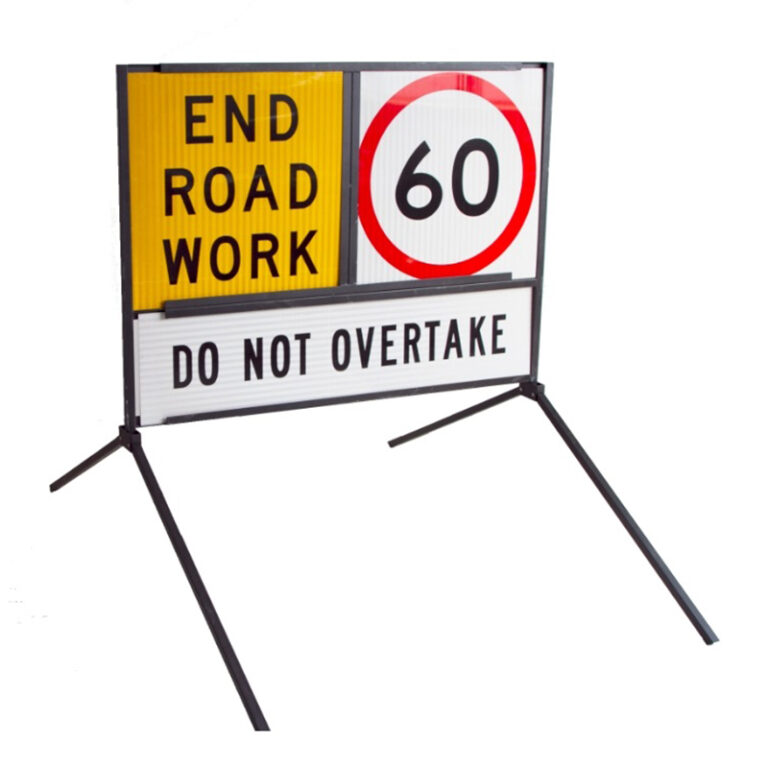
Traffic safety is a critical concern for communities worldwide, and one of the most effective ways to enhance road safety is through the strategic implementation of traffic safety signs. These signs serve as essential tools for managing and directing traffic, ensuring that drivers, pedestrians, and cyclists can navigate roads safely and efficiently. This article explores the top benefits of integrating traffic safety signs into community planning, emphasizing their role in reducing accidents, improving traffic flow, and promoting community well-being.
Enhancement of Road Safety
One of the primary benefits of traffic safety signs is their direct impact on road safety. They provide critical information that helps prevent accidents and enhances awareness among road users. Key advantages include:
- Accident Prevention: By clearly indicating speed limits, turn restrictions, and warnings about upcoming hazards, these signs significantly reduce the risk of collisions and other traffic-related incidents.
- Pedestrian Safety: Signs that highlight pedestrian crossings and school zones help protect vulnerable road users, ensuring safe passage across busy streets.
- Driver Awareness: Proper signage alerts drivers to changes in road conditions, traffic patterns, and potential hazards, allowing for timely decision-making and response.
Improvement of Traffic Flow
Traffic safety signs also play a crucial role in optimizing traffic flow, which is vital for reducing congestion and improving transportation efficiency. Their benefits include:
- Direction and Navigation: Signs provide essential directions and guidance, helping drivers find their routes more easily and reducing confusion at intersections and junctions.
- Regulation of Traffic: Signs such as stop signs, yield signs, and traffic light signals help regulate traffic movement, minimizing delays and preventing bottlenecks.
- Road User Coordination: By ensuring that all road users are aware of traffic rules and expectations, signs facilitate smoother interactions and cooperation among drivers, cyclists, and pedestrians.
Promotion of Community Well-Being
The presence of traffic safety signs contributes to the overall well-being of a community by fostering a safer and more organized environment. The broader implications are:
- Community Confidence: A well-signed area instills confidence in residents and visitors, encouraging more people to walk, cycle, or drive, knowing that safety measures are in place.
- Reduced Stress and Anxiety: With clear instructions and guidelines in place, road users experience less stress and anxiety, leading to a more pleasant commuting experience.
- Support for Local Businesses: Efficient traffic flow and enhanced safety can attract more visitors to local businesses, boosting the local economy.
The Role of Custom Safety Signs
While standard traffic safety signs are crucial, there are times when communities may need custom safety signs to address specific local needs. Customization allows for:
- Targeted Messaging: Custom signs can convey messages tailored to specific hazards or community events, ensuring that all relevant information is clearly communicated.
- Enhanced Visibility: Using unique colors, shapes, or materials for custom signs can improve visibility and draw attention to critical information.
- Adaptability: As community needs change, custom signs provide the flexibility to adapt and ensure ongoing safety and efficiency.
Conclusion
Implementing traffic safety signs is a vital strategy for enhancing safety, improving traffic flow, and promoting the overall well-being of communities. By ensuring that these signs are strategically placed and maintained, communities can create safer environments for all road users. The option to customize signage further enhances the ability to address specific needs and ensure effective communication. In fostering safer roadways, traffic safety signs are indispensable tools for community planning and development.